If you want to know whether you have COVID-19, you have two main types of tests you might think about: the PCR test and the rapid test. Both of them check if the virus is in your body, but they do it in very different ways and have different strengths and weaknesses. Understanding these differences can help you decide which one makes the most sense for your situation.
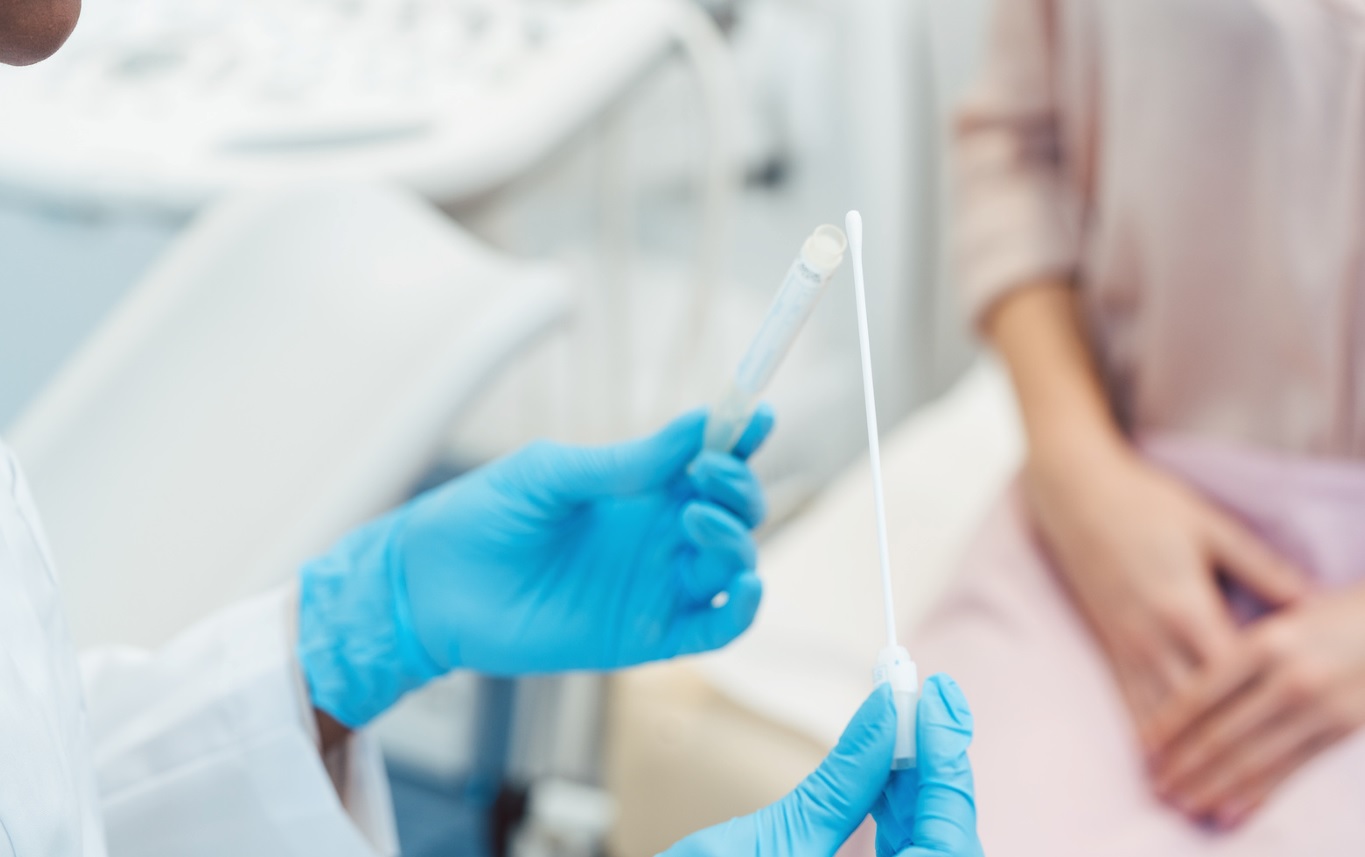
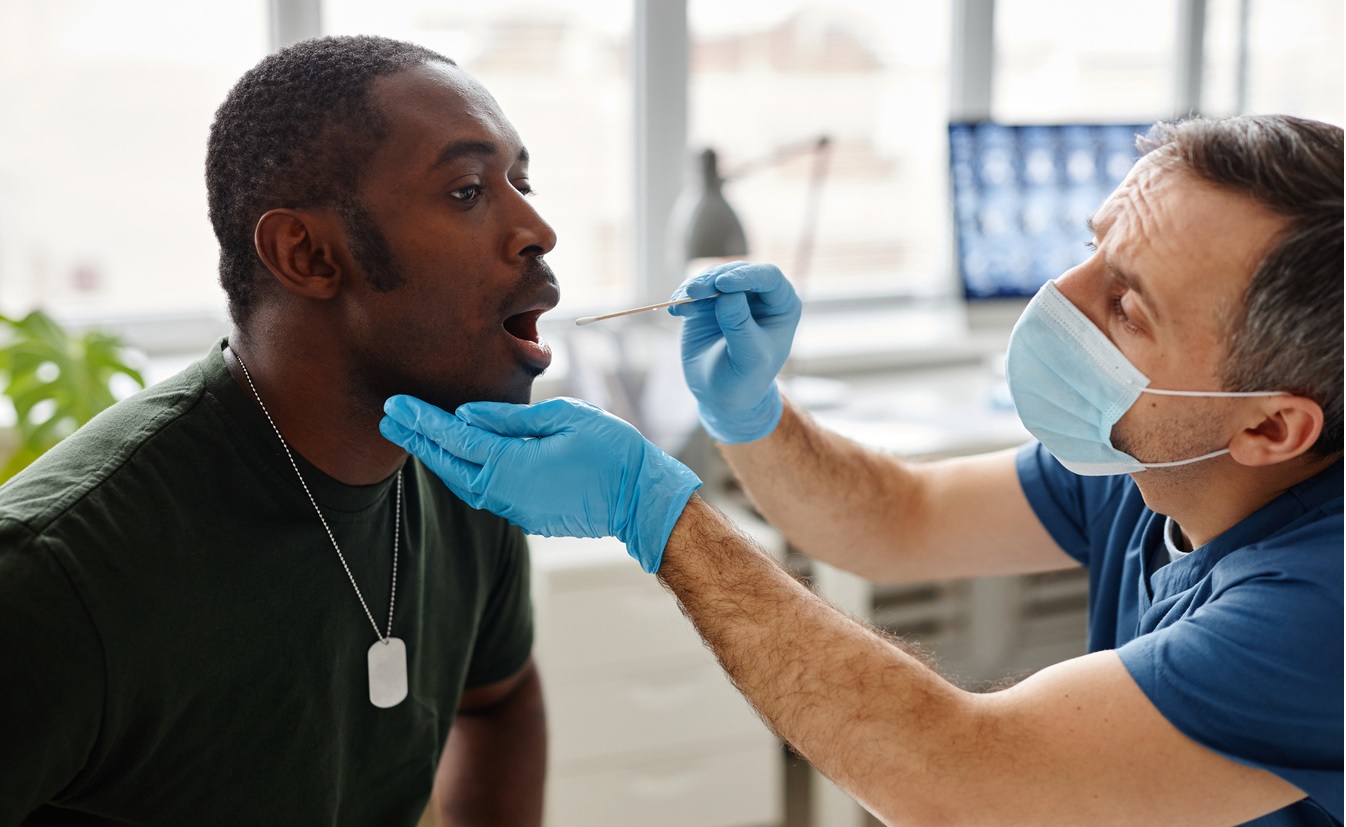
The PCR test is often called the “gold standard.” That means it is the most accurate and trustworthy way to find out if you are infected. When you take a PCR test, a healthcare worker collects a swab from your nose or throat just like with most COVID tests. But then something cool happens. In a lab, scientists look for the virus’s genetic material and make millions of tiny copies of it so they can catch even the smallest trace of the virus. This makes the PCR test very good at detecting infection, even if you have only a little bit of virus in your system.
Because of the way it works, the PCR test usually takes longer to come back. The sample must go to a lab, and it can take from a few hours to several days before you get results. But that extra time is worth it when you want the most reliable answer. PCR tests are often required for travel, medical reasons, or if you really need to know if you are infected.
On the other hand, rapid COVID tests are all about speed and simplicity. These tests are also called rapid antigen tests. They look for proteins from the virus rather than the virus’s genetic material. Because of this, they do not need a lab and you can see your result in about 15 to 30 minutes right on the test kit. Rapid tests are cheap, easy to use, and perfect when you need a quick answer.
But there is a trade-off. Rapid tests are not as sensitive as PCR tests. That means if you have only a small amount of virus in your body, especially early or late in an infection, a rapid test might say you’re negative when you really are positive. For that reason, doctors
sometimes recommend getting a PCR test if you have symptoms but a rapid test says you’re negative.
In short, if you want the fastest result and are checking yourself at home, a rapid test is great. But if you want the highest accuracy and confirmation, the PCR test is the best choice. Both have a place in helping us stay safe and stop the spread of COVID-19.